
Blog

Electric Vehicles and Tariffs: Are EVs the Future or Just More Expensive?

Electric Vehicles, Tariffs, EVs, Future, Lincoln

Drivers across Daytona Beach, Ormond Beach, Palm Coast, and Port Orange are seeing electric vehicles (EVs) take center stage in conversations about innovation, sustainability, and affordability. As tariffs on imported parts and vehicles continue to rise in 2025, a new question emerges: Are EVs truly the future of driving, or are they becoming less accessible due to increased costs?

At Gary Yeomans Lincoln Daytona, we’re breaking down the facts, trends, and opportunities so you can make an informed choice in this evolving market.

Explore Our New Inventoryto see the latest EVs and plug-in hybrids available today.

Understanding the EV Surge

Electric vehicles are not a passing trend. They represent a seismic shift in how we drive, fuel, and maintain our vehicles.

Why EVs are gaining popularity:

  • Zero tailpipe emissions reduce your environmental footprint
  • Lower maintenance costs compared to internal-combustion engines
  • Quiet, smooth performance with instant torque delivery
  • Federal and state incentives that make ownership more accessible

With Lincoln’s plug-in hybrid and fully electric models, EVs now deliver both luxury and performance.

Schedule a Test Driveto experience refined electric driving today.

The Tariff Factor: What’s Happening in 2025?

Tariffs are taxes on imported goods, and they hit the EV segment especially hard due to the high dependency on foreign components.

Key categories affected by tariffs:

  • Lithium-ion batteries (most are imported)
  • Rare earth minerals used in electric motors
  • Microchips and semiconductors critical for EV electronics
  • Charging infrastructure components imported from abroad

Even vehicles assembled in North America rely on overseas parts, impacting buyers throughout the region.

Financeto explore competitive rates and protect your investment from rising costs.

Are EVs Still a Smart Long-Term Investment?

Absolutely—when you take a strategic view.

EV Ownership Advantages:

  • Lower fueling costs: electricity prices remain more stable than gasoline
  • Reduced maintenance: no oil changes and fewer moving parts
  • Regenerative braking: less wear on brake components
  • Tax credits and rebates (when available)
  • Enhanced resale value as demand continues to grow

Even with higher upfront pricing, the total cost of ownership for an EV can still be lower than that of a comparable gas-powered vehicle over time.

What Are Your Options in Your Area?

Drivers in our area have access to a growing range of EV and hybrid options, many of which benefit from domestic manufacturing advantages.

Vehicles that offer balanced value:

  • Plug-in hybrid SUVs for flexible fueling
  • All-electric luxury sedans with long-range capability
  • Certified pre-owned hybrids with extended warranties
  • Compact EVs for urban efficiency
  • Luxury electric SUVs with family-friendly features

Whether you need efficiency for daily commutes or space for family adventures, there’s an electric solution that fits your lifestyle.

Used Inventoryto browse our certified pre-owned options.

How EV Technology Enhances Your Driving Experience
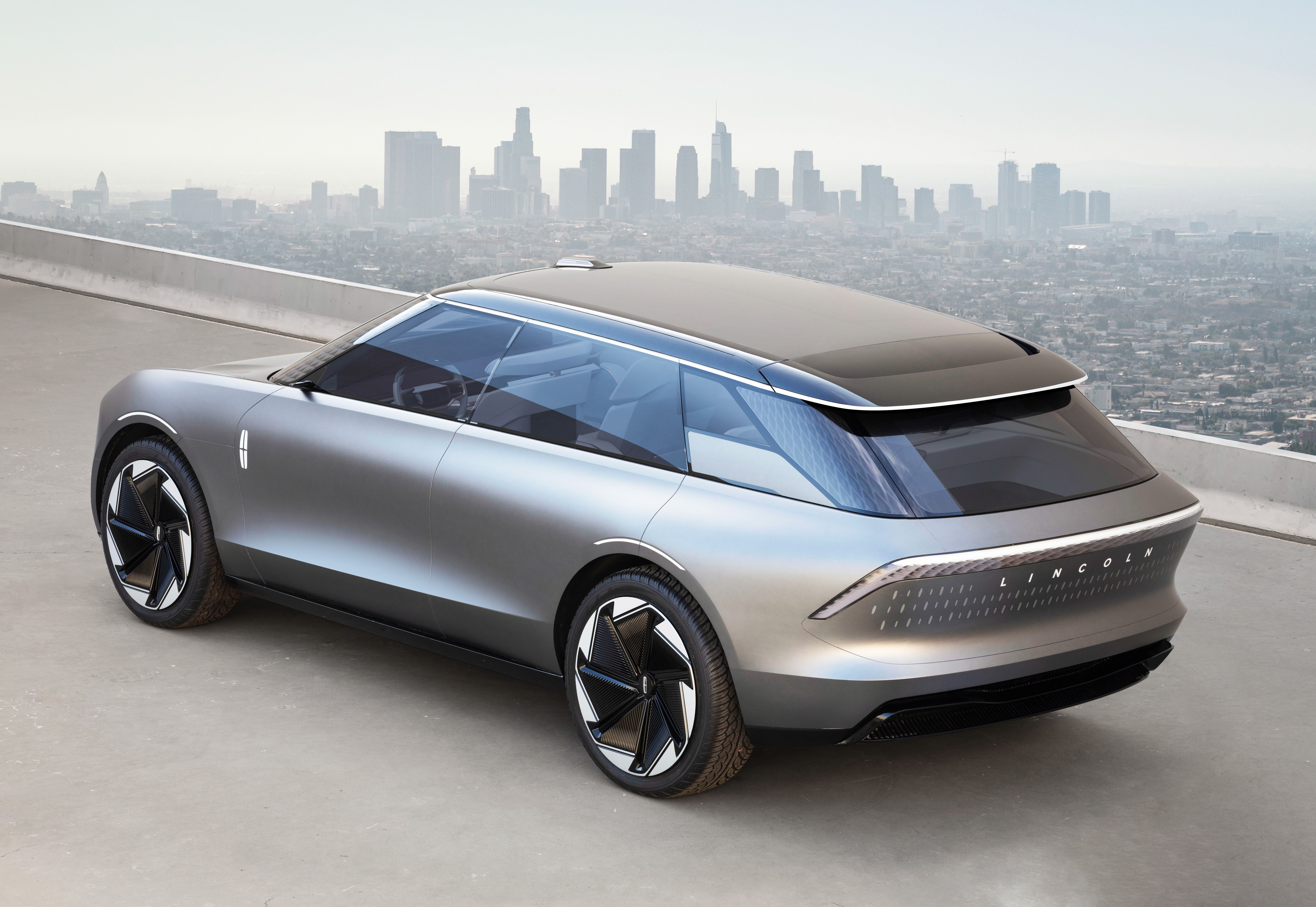
Lincoln’s electric vehicles

Drivers often switch to EVs expecting fuel savings—and stay for the premium experience.

Lincoln’s electric and hybrid models offer:

  • Adaptive suspension and smooth power delivery
  • Whisper-quiet cabins and advanced sound insulation
  • Integrated driver-assist features for added safety
  • Cloud-connected infotainment and over-the-air updates

EVs don’t just change what powers your drive—they transform how your vehicle responds to you.

Navigating Tariffs with Confidence: Your Buyer’s Strategy

If you’re shopping for an EV, here’s how to stay ahead of the curve:

Smart buyer tips:

  • Act now to avoid future price increases
  • Consider plug-in hybrids for flexibility without full EV commitment
  • Use trade-in value to offset rising prices
  • Compare total ownership cost, not just MSRP
  • Explore financing incentives to make EVs more affordable

Schedule a Test Driveand talk to our EV specialists for personalized guidance.

How Local Infrastructure Supports EV Ownership

Our region is ramping up EV support with new charging stations and helpful incentives.

EV-friendly improvements:

  • Level 2 charging at public garages and shopping centers
  • Utility rebate programs for EV purchases
  • Faster permitting for home charger installations

These changes ensure your EV purchase is supported with the tools you need.

Environmental Policy and Government Incentives

Federal and state programs help offset costs and encourage long-term sustainability.

Key examples:

  • Federal tax credits up to $7,500 on eligible EVs
  • State green transportation initiatives
  • Utility incentives for home charger installations

These programs make EV ownership more affordable for everyone.

Comparing EV Ownership in Urban vs. Suburban Areas

Where you live affects how you interact with EV infrastructure.

Urban advantages:

  • Public charging availability
  • Shorter commutes mean less frequent charging

Suburban benefits:

  • Easier home charger installations
  • Larger garage or driveway space for overnight charging

No matter where you live, there’s an EV solution to match your lifestyle.

Charging Network Expansion in Central Florida

The state is serious about clean energy and expanding charging access.

  • Electrify America and Tesla Supercharger network growth
  • More Level 2 stations near popular destinations
  • Apps like PlugShare and ChargePoint to locate charging points

This infrastructure growth reduces range anxiety and adds everyday convenience.

Future-Focused Driving Starts Now

Yes, tariffs are affecting EV prices, but smart shoppers are making forward-thinking decisions today.

EVs offer lower long-term costs, advanced technology, and sustainable driving—benefits that still outweigh the impact of tariffs when you choose the right model and the right dealership.
Recommended Posts

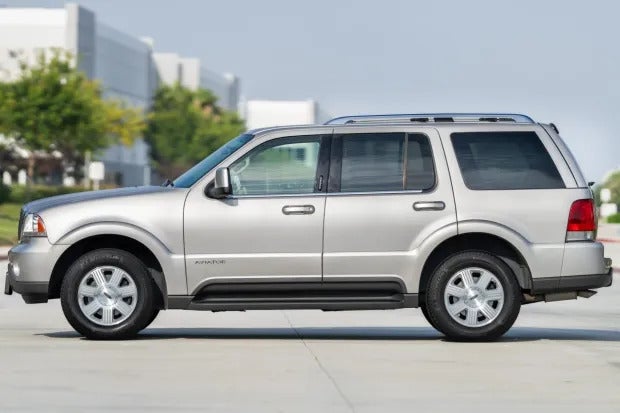
Lincoln Aviator 2003, Lincoln Aviator cars, Lincoln Aviator driving experience, Lincoln Aviator towing capacity, Lincoln Aviator model history,lincoln drive modes

Lincoln Aviator Model Timeline

The Lincoln Aviator has long been a symbol of refined luxury and powerful performance. Since its debut in 2003, the Aviator has evolved into one of Lincoln’s most iconic SUVs, offering a perfect balance of technology, comfort, and capability. Whether you’re searching for a family SUV with advanced safety features or a performance-driven luxury SUV, the Aviator delivers. Let’s explore the Lincoln Aviator model timeline, highlighting key updates, innovations, and features from each generation. Browse the latest Lincoln Aviator models and find the perfect luxury SUV for you. 1. First Generation (2003 - 2005) The first-generation Lincoln Aviator made its debut in 2003, marking Lincoln’s entry into the luxury SUV market. Designed to compete with other premium mid-size SUVs, the Aviator combined bold styling, powerful engines, and high-end interiors. Key Features: Engine: 4.6L V8 engine producing 302 horsepower. Transmission: 5-speed automatic transmission. Interior: Premium leather seating, wood trim, and optional 6-disc CD audio system. Safety: Dual front airbags, side-impact airbags, ABS brakes, and traction control. Utility: 7-passenger seating and ample cargo capacity. 2. Second Generation (2020 - Present) The second-generation Aviator made its comeback in 2020 with a complete redesign, offering modern technology, enhanced performance, and luxurious interiors. It is available in both traditional and plug-in hybrid models, providing a balance of efficiency and power. 2020 Lincoln Aviator key Features: Engine Options: 3.0L twin-turbocharged V6 producing 400 horsepower. Interior: Luxurious seating with premium materials, 12-inch digital instrument cluster, and 10-inch touchscreen. Technology: Apple CarPlay, Android Auto, and Lincoln Co-Pilot360 for advanced driver assistance. Performance: Available all-wheel drive, adaptive suspension, and selectable drive modes. 2021 Lincoln Aviator key Features: Trim Updates: Introduction of the Carbon Edition with unique styling accents. Interior Options: New white interior option for a modern, premium look. Fuel Efficiency: Improved for hybrid model with combined 21 MPG city/highway. Technology: Standard 12-inch touchscreen, wireless phone charging, and enhanced voice recognition. 2022 Lincoln Aviator key specifications: Trim Levels: Standard, Reserve, Black Label, and Grand Touring available. Interior & Comfort: More customizable seating and premium leather options. Safety: Lane-keeping assist, adaptive cruise control, and advanced pre-collision assist. Reviews: Praised for smooth ride quality, cabin quietness, and powerful engine. Schedule a test drive and experience the Lincoln Aviator in person. 3. Lincoln Aviator 2023 Model The 2023 Lincoln Aviator continues to build on the second-generation SUV with updated technology, enhanced luxury features, and refined styling. This model emphasizes a premium driving experience, making it one of the most competitive luxury SUVs in its class. Engines: 3.0L twin-turbo V6 or Grand Touring hybrid with 495 horsepower. Interior: Upgraded seating, leather upholstery, wireless Apple CarPlay and Android Auto. Technology: SYNC 4 infotainment with 10.25-inch touchscreen, Active Park Assist, and 360-degree camera system. Safety: Blind-spot monitoring, lane-keeping assist, adaptive cruise control, and pre-collision assist with automatic braking. Performance: Turbocharged engine options and advanced drive systems for a smooth, controlled ride. Lincoln Aviator Trims, Performance, and Design The Lincoln Aviator offers a range of trims designed to suit every luxury SUV buyer. The Standard trim comes with essential comfort and driver-assistance features, while the Reserve trim adds premium technology, enhanced comfort, and an upgraded audio system. The Black Label trim delivers signature Lincoln luxury with unique interior options and concierge services, and the Grand Touring trim combines performance and efficiency through its plug-in hybrid powertrain. Inside, the Aviator features luxurious three-row seating, a large digital instrument panel, touchscreen infotainment with Apple CarPlay and Android Auto, wireless phone charging, and Lincoln Co-Pilot360 advanced safety technologies, ensuring both comfort and peace of mind. Performance and design are equally impressive. The twin-turbocharged V6 engine produces over 400 horsepower, with adaptive suspension and selectable drive modes for city or off-road driving, and towing capacity up to 6,700 pounds. The first-generation Aviator (2003-2005) showcased a bold, boxy design, while the second-generation (2020-present) features sleek lines, an updated grille, LED headlights, and refined rear styling. The 2023 Carbon Edition adds dark accents, unique wheels, and premium paint options, blending sportiness with Lincoln’s unmistakable luxury identity. Explore the 2025 Lincoln Aviator and discover its features and trims Lincoln Aviator: A Legacy of Luxury and Innovation From the first-generation 2003 Aviator to the latest 2023 model, the Lincoln Aviator has continually evolved to meet the demands of modern luxury SUV drivers. With advanced technology, refined interiors, powerful performance, and unmatched comfort, the Aviator remains a top choice for drivers seeking a premium SUV experience. Explore the Lincoln Aviator today at Gary Yeomans Lincoln Daytona and discover why this SUV continues to lead the luxury segment. Visit our finance department to learn about payment and lease options. Frequently Asked Questions: 1. What engine options are available for the 2023 Lincoln Aviator? The 2023 Lincoln Aviator comes with a 3.0L twin-turbocharged V6 engine or a Grand Touring plug-in hybrid producing 495 horsepower. 2. How many passengers can the Lincoln Aviator seat? The Lincoln Aviator comfortably seats 6 to 7 passengers depending on the configuration. 3. What safety features come standard on the Lincoln Aviator? Standard safety includes Lincoln Co-Pilot360, featuring adaptive cruise control, lane-keeping assist, blind-spot monitoring, and pre-collision assist. 4. When did the Lincoln Aviator first debut? The first-generation Lincoln Aviator debuted in 2003, introducing Lincoln to the luxury mid-size SUV market. 5. What makes the 2023 Lincoln Aviator unique? The 2023 model offers updated interior technology, premium luxury features, advanced safety systems, and optional hybrid performance, combining comfort and innovation for modern SUV drivers.

Lincoln, Lincoln MKX, Lincoln MKX Sunroof , Lincoln features, premium quality, Fix sunroof, Sunroof repair, MKX sunroof stuck

How Do I Fix a Stuck Sunroof in My Lincoln MKX?

A stuck sunroof in your Lincoln MKX can be both frustrating and inconvenient, especially when you’re ready to enjoy some fresh air and sunshine. Whether your sunroof is stuck open, stuck in the tilt position, or won’t close all the way, it’s important to understand that most of these issues can be resolved without too much hassle. Sunroof problems are often caused by a variety of factors, including simple electrical issues, obstructions in the tracks, or mechanical failures. The good news is, you don’t need to be an expert to fix it. With the right guidance, you can troubleshoot and resolve the issue yourself. You’re ready to enjoy the open sky with your Lincoln MKX sunroof wide open, but suddenly, it gets stuck. Whether it’s stuck in the tilt position or won’t close properly, a malfunctioning sunroof can certainly disrupt your plans. The good news is, fixing a stuck sunroof isn’t always as complicated as it seems. Let’s dive into how you can get your Lincoln MKX sunroof back to full working order! Understanding the Sunroof System in Your Lincoln MKX Before we dive into fixing the issue, it’s helpful to understand how the Lincoln MKX sunroof works. The sunroof is a delicate piece of technology that allows you to enjoy fresh air and sunshine, but like any mechanical system, it can occasionally run into problems. Your Lincoln MKX sunroof operates through a series of motors, cables, and a control switch. The system is designed to open and close smoothly with the push of a button. However, mechanical or electrical issues, wear and tear, or debris can cause the sunroof to become stuck. Some common reasons for a Lincoln MKX sunroof stuck include: Motor failure: The motor that powers the sunroof can wear out over time or get stuck. Obstruction: Dirt, leaves, or debris can block the sunroof tracks, preventing smooth operation. Electrical issue: A blown fuse or a problem with the electrical connections could stop the sunroof from moving. Ready to get behind the wheel of a Lincoln MKX? Schedule a test drive with us today! Is Your Lincoln MKX Sunroof Stuck Open? Here's How to Close It If your sunroof is stuck open, the first thing you’ll want to do is remain calm. While it can be frustrating, this issue is typically fixable without needing to take your vehicle into the shop. Here are a few things to check: 1. Check the Sunroof Switch Start with the simplest fix: the sunroof switch. Sometimes, the switch can get stuck in the "open" position, even when it’s not physically pressing down on the sunroof. Try gently pressing the switch in the close direction for a few seconds and see if it responds. 2. Reset the Lincoln MKX Sunroof A reset is often the best way to fix a stuck sunroof. Here’s how you can do it: Turn on the ignition but don’t start the engine. Press and hold the sunroof close button for about 10-15 seconds. Once the sunroof is fully closed, release the button. Try operating the sunroof again to see if it functions correctly. This reset action can help the motor reset its position and restore normal function. If the sunroof won’t close all the way, try the reset again and see if it resolves the issue. What to Do When Your Lincoln MKX Sunroof Is Stuck in Tilt Position If your Lincoln MKX sunroof is stuck in a tilt position, it can be particularly frustrating because it can prevent the sunroof from closing completely. Here’s how to troubleshoot and fix the issue: 1. Press and Hold the Tilt Button Sometimes, a tilted sunroof can be fixed by simply pressing and holding the tilt button for a few seconds. This can help disengage the tilt mechanism and reset the sunroof’s position. 2. Manually Move the Sunroof If pressing the tilt button doesn’t work, you can try manually moving the sunroof. Here’s how to do it: Remove the sunroof cover (if your model has one). Locate the manual release mechanism (consult your vehicle's manual to find its location). Use a flat tool or screwdriver to manually move the sunroof back into place. This step requires some caution, as forcing the sunroof could damage the tracks or motor. If you’re unsure, it’s always best to have a professional handle it. 3. Inspect for Obstructions Sometimes, the reason your sunroof is stuck in a tilt position is due to an obstruction. Check the tracks and edges of the sunroof for debris like leaves, dirt, or other items that could block the mechanism. Clean out the tracks thoroughly and try operating the sunroof again. Having issues with your sunroof? Visit our service center and let our expert technicians get your Lincoln MKX back in top condition. Fixing a Sunroof Stuck Open: What’s the Cause and How to Repair It? If your Lincoln MKX sunroof is stuck open, it could be due to a number of issues. Here’s how you can fix the problem: 1. Inspect the Sunroof Tracks The most common cause of a stuck sunroof is debris in the sunroof tracks. Over time, dirt and debris can accumulate in the tracks, preventing the sunroof from opening or closing properly. Clean out the tracks using a soft cloth or compressed air to remove any dirt or obstructions. 2. Check the Sunroof Motor A malfunctioning sunroof motor is another potential culprit. If the motor is failing or damaged, the sunroof may get stuck in the open position. In this case, the motor may need to be replaced. This is best done by a professional mechanic to ensure that the motor is properly installed. 3. Electrical Issues Sometimes, an electrical issue can prevent your Lincoln MKX sunroof from closing. A blown fuse, faulty wiring, or an issue with the sunroof switch could cause the system to fail. Check your vehicle’s fuses and inspect the wiring to ensure everything is in good condition. Explore our new inventory and find the perfect model for your needs at Gary Yeomans Lincoln Daytona. When to Seek Professional Help for a Stuck Sunroof While many sunroof problems can be fixed at home, there are situations when it’s best to consult a professional. If you’ve tried troubleshooting and your sunroof still won’t close, it’s time to visit a trusted service center like Gary Yeomans Lincoln Daytona. Our experienced technicians are equipped with the tools and expertise to diagnose and repair any issues with your Lincoln MKX sunroof. Whether you need a new motor, track cleaning, or a complete system overhaul, we’re here to help. Enjoy the Fresh Air with a Fully Functioning Sunroof A stuck sunroof in your Lincoln MKX doesn’t have to be a headache. With a little bit of knowledge and the right tools, you can troubleshoot the issue and enjoy the fresh air once again. Whether it’s cleaning the tracks, resetting the motor, or replacing a faulty part, most Lincoln MKX sunroof problems are fixable. If you need help, don’t hesitate to bring your vehicle into Gary Yeoman's Lincoln Daytona. We’ll make sure your sunroof operates just as smoothly as the rest of your vehicle. Interested in financing a Lincoln MKX? Visit our Finance Center for flexible options and guidance.

Lincoln MKZ, AC performance, Lincoln power door locks, driver assist features Lincoln, replace Lincoln MKZ cabin air filter, Lincoln MKZ cabin air filter replacement, Lincoln MKZ AC filter change, Lincoln MKZ air conditioning maintenance, Lincoln MKZ cabin filter location, Lincoln MKZ AC performance tips, Lincoln MKZ filter replacement guide, Lincoln MKZ interior air quality, Lincoln MKZ HVAC maintenance, Lincoln MKZ airflow improvement

Is Your Lincoln MKZ AC Not Cooling? Here’s What to Do

The Lincoln MKZ is a luxury midsize sedan known for its elegant interior, smooth performance, and refined ride quality. Although production ended after the 2020 model year, the MKZ is set to return for the 2026 model year as an advanced electric luxury sedan. The previous generation offered a standard 2.0L turbocharged engine, an available 3.0L twin-turbo V6, and a hybrid option—each designed to deliver efficiency, comfort, and premium driving satisfaction. Many features, such as the panoramic glass roof and sport-tuned suspension, helped make the MKZ a standout in its class. One of the most important maintenance items for preserving your Lincoln MKZ’s interior comfort is the cabin air filter. This simple component keeps dust, allergens, and pollutants out of your vehicle’s ventilation system, ensuring clean airflow and strong AC performance. Whether you drive a hybrid model or a traditional gas engine, replacing the cabin air filter regularly is essential to maintaining a healthy cabin environment. Below, Gary Yeomans Lincoln Daytona explains how to find it, how to replace it, and how to keep your MKZ’s air system performing at its best. Where Is the Lincoln MKZ Cabin Air Filter Located? Many Lincoln MKZ owners wonder where the cabin air filter is located. Fortunately, the design makes it easy to access. In most MKZ models, the cabin air filter sits directly behind the glove compartment. This placement allows drivers or technicians to replace the filter quickly without removing dashboard parts or using complicated tools. By knowing the exact location, you can complete routine maintenance with ease. If you notice reduced airflow, an increase in dust inside the cabin, or lingering odors when using the AC, the cabin air filter should be one of the first things you check. A clogged filter forces the AC system to work harder, which may reduce cooling efficiency and shorten the lifespan of important components. How Do You Replace a Lincoln MKZ Cabin Air Filter? Replacing the MKZ cabin air filter is a simple process you can complete at home or have done by our certified technicians at Gary Yeomans Lincoln Daytona. Below are the general steps followed during a typical filter replacement: Open the glove compartment and remove any stored items. Release the side tabs or hinges so the glove box drops down, exposing the filter housing. Slide out the old cabin air filter carefully to avoid spreading dust. Insert the new filter with the airflow arrow pointing in the correct direction. Reattach the glove compartment and check ventilation to confirm proper installation. Though simple, replacing the filter correctly makes a noticeable difference in air quality and AC performance. If you prefer expert service, our technicians can complete this task quickly during a routine visit. What Are the Signs Your Lincoln MKZ AC System Is Struggling? Your vehicle will often notify you through performance changes when the cabin air filter needs attention. Common symptoms include: Weak or inconsistent airflow coming from the vents Unpleasant odors when the AC or heat is turned on A longer time required to cool or heat the cabin Increased dust buildup inside the vehicle If you notice any of these issues, it’s a good idea to inspect the cabin air filter. A fresh filter often restores comfort and reduces strain on the HVAC system. How Often Should You Replace the Lincoln MKZ Cabin Air Filter? Most Lincoln MKZ models require cabin air filter replacement every 12,000 to 15,000 miles. However, driving conditions can influence how often you need to change it. You may need more frequent replacements if you: Drive on dirt roads or in dusty environments Commute in heavy traffic or urban pollution Regularly run the AC or heating system Regular inspections help prevent AC strain, interior odors, and decreased airflow. At Gary Yeomans Lincoln Daytona, our service team can check your filter during routine maintenance to ensure your cabin stays clean and comfortable. What Are the Benefits of Replacing the MKZ Cabin Air Filter? Replacing the cabin air filter provides several performance and comfort benefits. These include: Cleaner, fresher air inside the cabin Improved airflow from the ventilation system Enhanced AC efficiency and cooling performance Reduced allergens for sensitive passengers Longer HVAC system lifespan Better driving comfort year-round Small maintenance tasks like these help preserve the MKZ’s premium driving experience. Keeping up with the cabin air filter ensures that every ride feels calm, clean, and refreshing. How Much Does It Cost to Replace the Lincoln MKZ Cabin Air Filter? Cabin air filter replacement is one of the most affordable maintenance services on the Lincoln MKZ. Costs vary depending on the filter material and selected service provider. High-quality filters generally offer better dust and pollen protection and last longer between replacements. For quick and professional installation, Gary Yeomans Lincoln Daytona offers convenient scheduling and expert guidance. Our technicians will ensure your replacement filter fits properly and restores strong HVAC performance. What Else Can You Do to Improve AC Performance? In addition to replacing the cabin air filter, several other maintenance tips can help improve your Lincoln MKZ’s AC system: Clean debris from exterior air intake vents Check refrigerant levels during service visits Ensure the blower motor is operating smoothly Run the AC regularly to keep components lubricated Regular service appointments help prevent costly repairs and keep your MKZ performing at its best, especially in the Florida heat. How Can You Keep Your Lincoln MKZ Interior Feeling Luxurious? The Lincoln MKZ is known for its premium interior, and maintaining clean air circulation is essential to preserving that luxury feel. A fresh cabin air filter supports a healthier cabin environment, reduces allergens, and enhances passenger comfort on every drive. When combined with routine cleaning, leather conditioning, and proper climate control use, your Lincoln MKZ will continue to offer a serene, upscale ride. Keeping the HVAC system clean is one of the easiest ways to ensure your vehicle feels just as refined as the day you purchased it. Why Does Proper Filter Maintenance Improve the Drive? Maintaining your Lincoln MKZ cabin air filter is a small step with major benefits. By ensuring clean airflow, your AC system runs efficiently, interior air remains fresh, and passengers enjoy consistent comfort. Whether you drive an older gasoline model or are looking forward to the upcoming 2026 electric MKZ, proper filter care enhances your day-to-day driving experience.